
SPECIALIST FIRE PROTECTION
Passive Fire
Protection
Helping protect buildings through effective fire stopping, compartmentation and fire
door solutions across Burnley.
ACCREDITED. QUALIFIED. TRUSTED.
Built on proven expertise and a commitment to doing every detail right, we help make safer buildings a lasting reality.

PASSIVE FIRE PROTECTION, CLEARLY EXPLAINED
Practical expertise. Clear guidance. Better-informed decisions.
A specialist website combining practical passive fire protection services with a useful knowledge hub for building owners, facilities teams, contractors and property professionals.
FIRE STOPPING
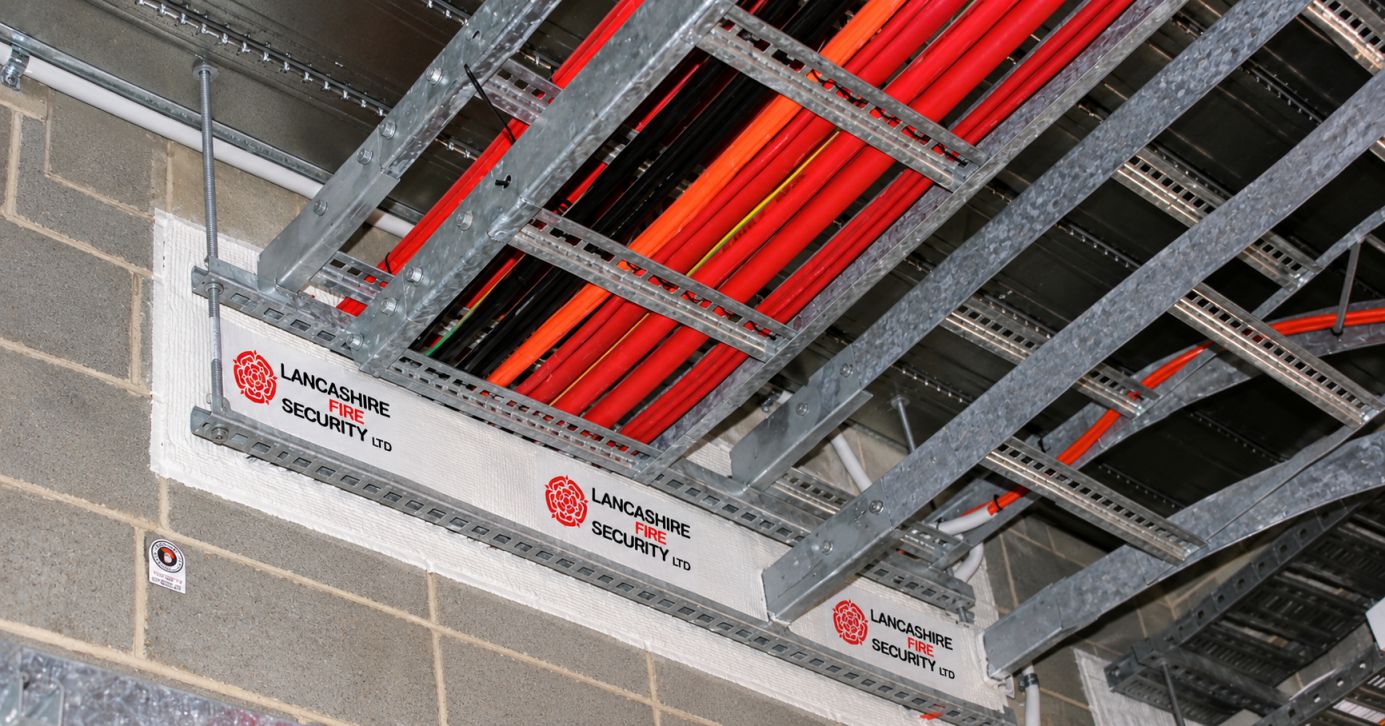
Sealing service penetrations and gaps to help maintain fire-resisting compartment lines.
COMPARTMENTATION
Understanding barriers, fire-resisting construction and common defects.
FIRE DOORS
Installation, inspection and remedial support, where offered by the
company.

THE KNOWLEDGE HUB
Understand passive fire protection
Straightforward guides to key terms, building requirements, inspections and common passive
fire protection defects.
What is passive fire protection?
Fire stopping
explained

Fire compartmentation
basics
WHY WORK WITH LANCASHIRE FIRE SECURITY?
Experience and accountability
Protecting people and buildings requires more than simply meeting minimum requirements. We take a practical, professional approach to passive fire protection, helping businesses create safer environments through effective fire-stopping solutions, expert knowledge and a commitment to quality.
A CLEAR, PRACTICAL APPROACH
Knowledge You Can Trust
Quality Workmanship
A Commitment to Safety
Need advice on a passive fire protection project?
Tell us about your building, project or compliance question.
Passive Fire Protection in Burnley
Helping Protect Buildings from the Spread of Fire
Passive fire protection plays an essential role in helping to protect people, property and escape routes during a fire. By using fire-resistant construction, appropriate sealing systems and correctly installed fire protection measures, buildings can be designed to help restrict the spread of fire and smoke.
Lancashire Fire Security provides fire safety expertise to help clients in Burnley understand and address their fire protection requirements. Whether you are responsible for a commercial property, managing a building project or looking for information about passive fire protection, our team can help you take the next step.
Contact our team to discuss your requirements.
What Is Passive Fire Protection?
Passive fire protection refers to the built-in features of a building that help contain fire and smoke and maintain the performance of fire-resisting elements. Unlike active systems that detect or respond to a fire, passive measures form part of the building’s structure and layout.
Examples include fire-resisting walls and floors, fire stopping around service penetrations, cavity barriers and suitable fire doors. These measures need to be correctly specified, installed and maintained to perform as intended.
Passive Fire Protection Services in Burnley
Fire Stopping
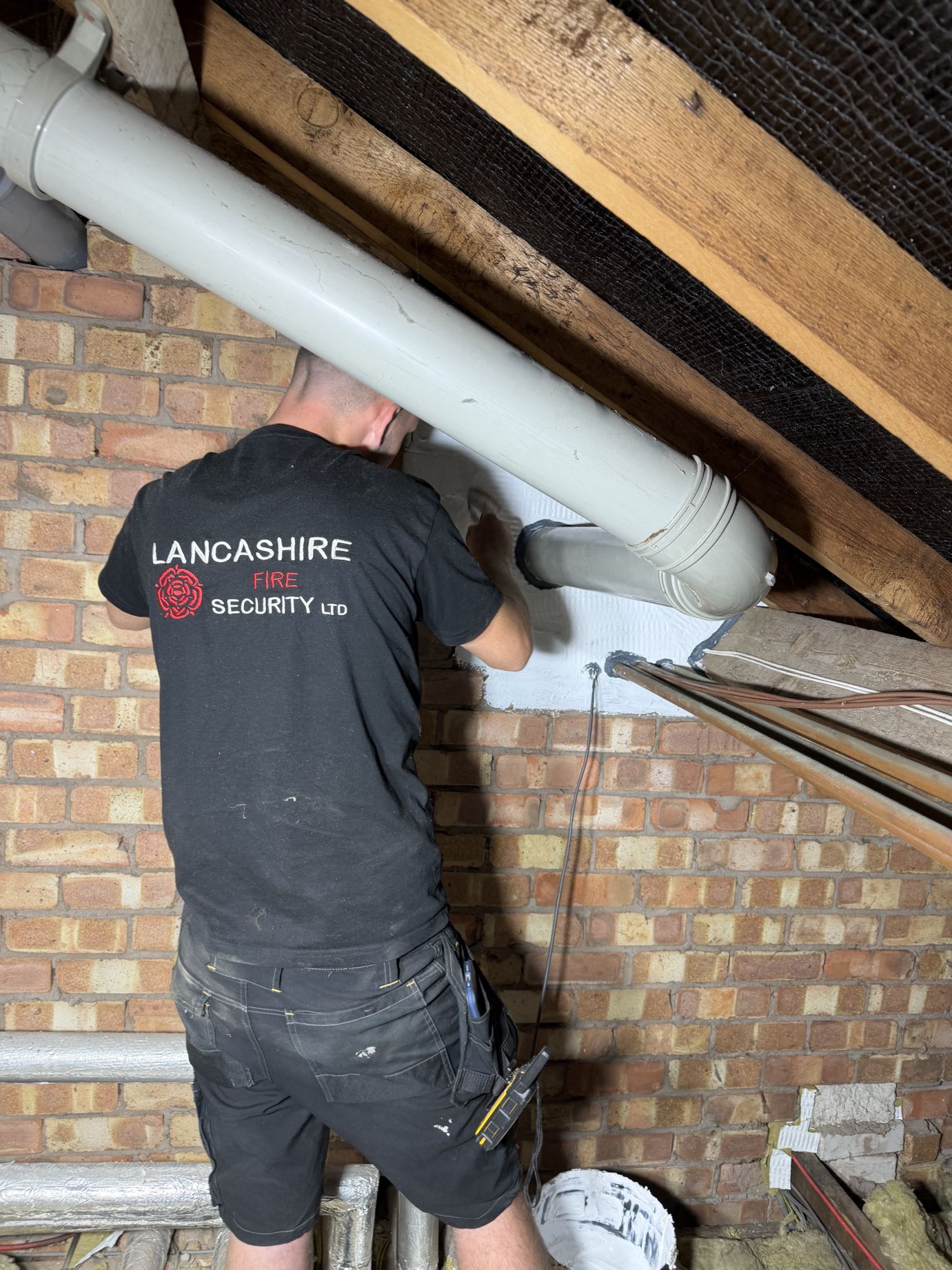
Service pipes, cables and other building services can create openings through fire-resisting walls and floors. Appropriate fire-stopping systems help seal these openings while maintaining the required fire performance of the separating element.
Fire Compartmentation
Compartmentation helps divide a building into areas intended to restrict fire and smoke spread. Walls, floors, junctions, doors and service penetrations all need to work together as part of the overall fire strategy.
Fire Doors
Fire doors are an important part of a building’s fire protection strategy. The correct door assembly, installation, seals, hardware and closing action all matter when helping to limit the movement of fire and smoke.
Passive Fire Protection Advice
Understanding the condition of existing fire protection measures can be challenging, particularly in buildings with concealed voids, multiple services or a history of alterations. Appropriate advice and inspection can help identify issues that may require further investigation or remedial work.
Explore Our Passive Fire Protection Information Hub
Good fire protection starts with understanding how the different measures work together. Our information hub explains key concepts, common defects and important considerations for building owners, contractors and facilities managers.
- What Is Passive Fire Protection?
- Fire Stopping Explained
- What Is Fire Compartmentation?
- What Are Cavity Barriers?
- Fire Doors and Their Role in Fire Safety
- Passive vs Active Fire Protection
- Passive Fire Protection Regulations in England
- Passive Fire Protection Inspection Checklist
- Common Fire-Stopping Defects
- Choosing a Passive Fire Protection Contractor
Why Is Passive Fire Protection Important?
A building’s fire safety measures need to work together. Even where fire-resisting walls and floors have been installed, unsealed service openings, damaged barriers or poorly fitting doors can compromise the intended level of protection.
Understanding these details can help building owners, contractors and those responsible for fire safety identify concerns, arrange appropriate professional assessments and keep relevant records.
The correct solution depends on the building, its design, the fire strategy and the products and systems specified for the application.
Need Help with Passive Fire Protection?
Whether you are planning building work, reviewing existing fire protection measures or investigating a potential defect at Burnley, Lancashire Fire Security can discuss your requirements and help you identify the appropriate next step.
Speak to our team today.
Frequently Asked Questions
What is passive fire protection?
Passive fire protection consists of building features and systems designed to help contain fire and smoke, protect escape routes and maintain the performance of fire-resisting elements.
What is the difference between passive and active fire protection?
Passive fire protection includes measures such as fire-resisting walls, floors, fire stopping and fire doors. Active fire protection includes systems such as fire alarms and automatic suppression systems that detect, warn or respond to a fire.
Why is fire stopping important?
Fire stopping helps seal openings and joints in fire-resisting construction. Without suitable sealing, gaps around pipes, cables and other services may provide a route for fire and smoke to spread.
Can you help with passive fire protection in Burnley?
Yes. Lancashire Fire Security can discuss passive fire protection requirements for buildings in Burnley. Contact the team with details of your building or project and we will help you identify the appropriate next step.
Does every building need the same passive fire protection measures?
No. Requirements depend on factors including the building’s use, design, height, layout, applicable regulations and fire strategy. The appropriate measures should be established for the individual building.
How can I find out whether my building’s fire protection is adequate?
A suitable assessment by a competent fire safety professional can help identify visible defects and areas requiring further investigation. Some problems may be concealed and may require access to voids or building records.
Further Information
Explore our passive fire protection guides for practical explanations of fire stopping, compartmentation, fire doors, regulations and common defects.
For building-specific advice for properties in Burnley, contact Lancashire Fire Security to discuss your requirements.
PASSIVE FIRE PROTECTION
Services | Knowledge Hub | About | Contact
Company Number: 11888399 | VAT Registration number: 373832577